



On this page
In today’s fast-paced business environment, personalization is more important than ever. Consumers now expect products and services tailored to their specific needs. This is where a sales configurator comes in, offering businesses an efficient way to allow customers to customize products. But what exactly is a sales configurator? In simple terms, it’s a tool that enables companies to help customers personalize products while ensuring the configurations are viable from both production and supply chain perspectives.
Introduction to Sales Configurators
A sales configurator is software that empowers customers to modify products or services according to their preferences. It handles everything from simple options like color and size to more complex features like performance adjustments. The software ensures that the selected options work together and can be produced by the company.
The Evolution of Sales Configurators
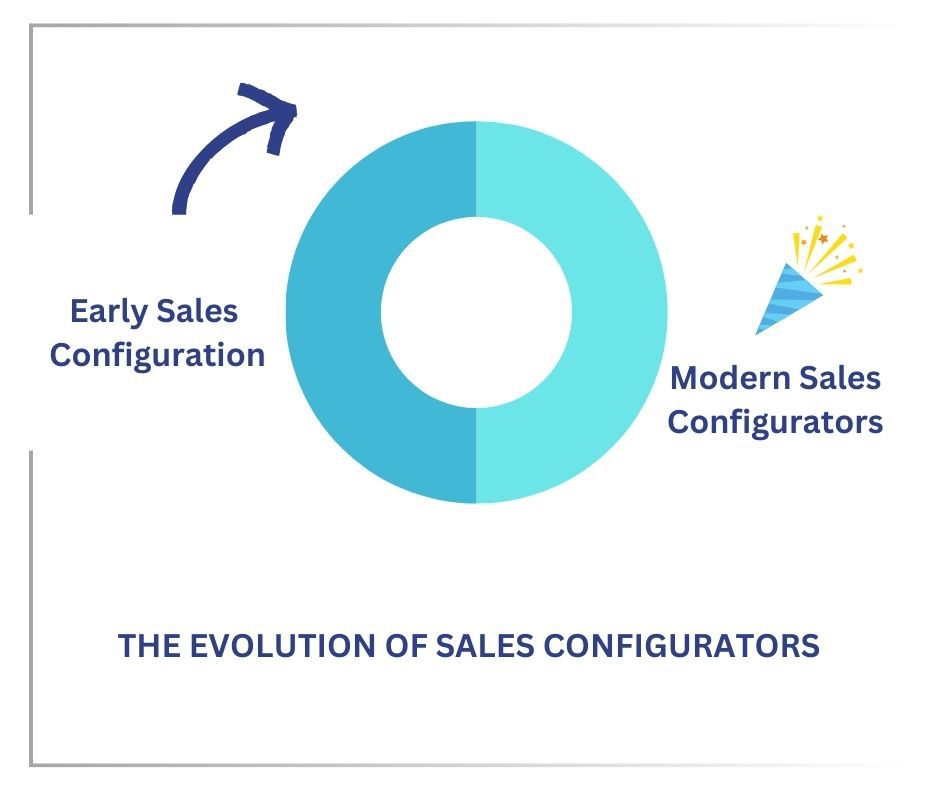
Early Sales Configurations
The concept of sales configurators has been around for a long time, with early models focused on basic customization. Businesses used manual processes to offer a few predefined options, which were slow and prone to mistakes.
Modern Sales Configurators
Today’s configurators are much more advanced, integrating with Enterprise Resource Planning (ERP) and Customer Relationship Management (CRM) systems. This real-time integration speeds up the process and ensures that even the most complex products can be customized without errors.
How Does a Sales Configurator Work?
Backend Mechanisms
Sales configurators pull data from various systems—like inventory databases and pricing models—to ensure that chosen configurations are feasible. This backend process guarantees that every customization is something the company can produce.
Frontend User Experience
On the customer side, the interface is simple and intuitive. As users select options, they get real-time feedback on things like pricing and delivery times, making the buying experience seamless.
Types of Sales Configurators
1. Rule-Based Configurators
Rule-based configurators follow predefined rules to ensure that only valid product combinations are possible. If a user selects one option, incompatible ones will be automatically ruled out.
2. Guided Selling Configurators
In these systems, the customer is asked a series of questions to help narrow down their choices. This type of configurator is especially useful for complex products. An interactive quiz can demonstrate a similar question-based experience, helping users understand how guided choices work in practice.
3. Visual Configurators
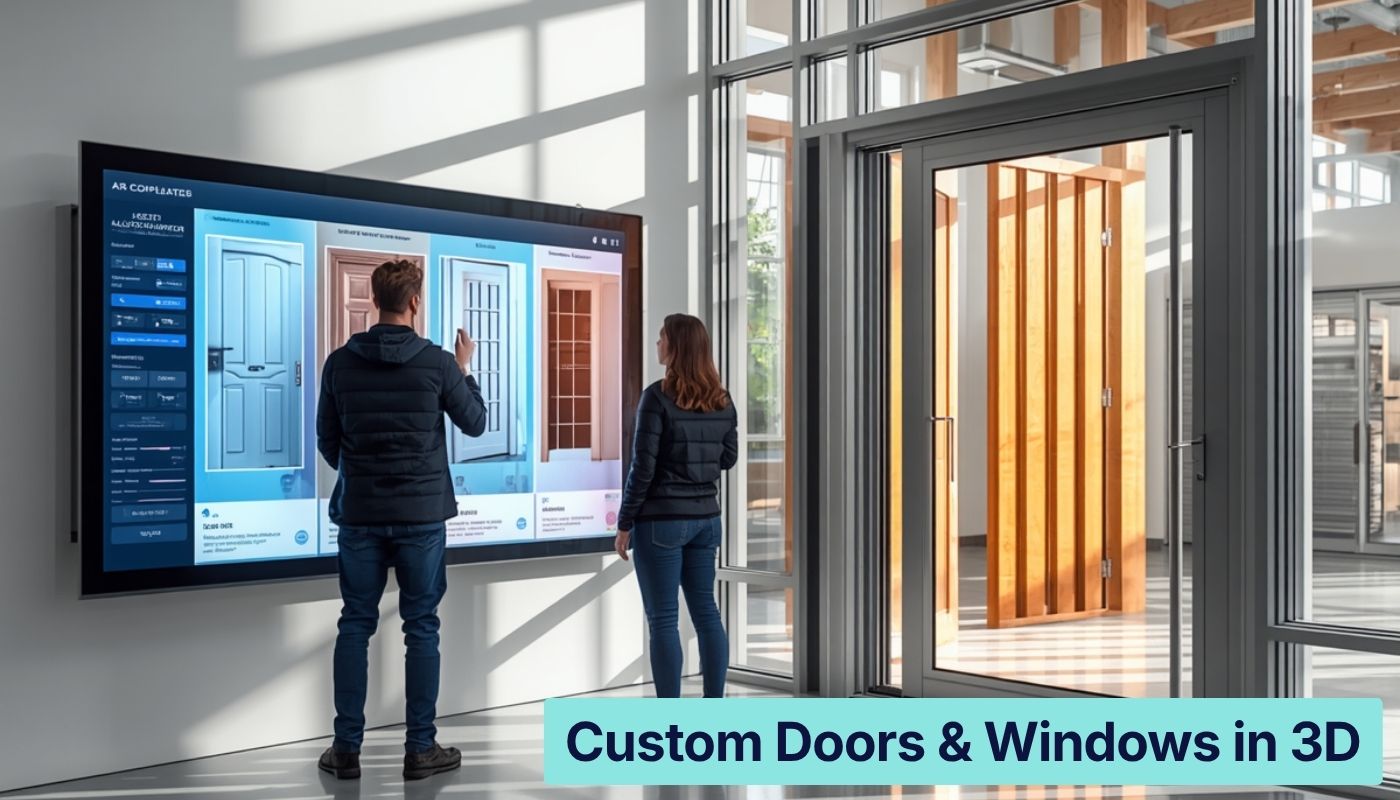
Visual configurators take customization a step further by allowing customers to see their choices in real-time, usually in 3D. This is common in industries like automotive, where customers can visualize what their custom car will look like.
Benefits of Implementing a Sales Configurator
1. Enhanced Customer Experience
Sales configurators offer a personalized shopping experience, which improves customer satisfaction. Being able to tailor products to their needs while seeing instant results makes the process more engaging.
2. Reduced Errors in Orders
Because sales configurators automate much of the customization process, they significantly reduce the chance of human error.
3. Faster Sales Cycles
Configurators speed up the decision-making process by offering customers all the information they need upfront, leading to quicker sales and faster production times.
Industries Utilizing Sales Configurators
1. Automotive Industry
The car industry was one of the first to adopt sales configurators, allowing buyers to customize nearly every aspect of their vehicle.
2. Manufacturing and Engineering
In these industries, configurators handle complex product lines with multiple variants, making it easier for companies to manage diverse offerings.
3. Technology and Software
Tech companies use configurators to let customers choose the features, subscription levels, and integrations they need.
Key Features of a Sales Configurator
1. Customization Options
Configurators should offer a wide range of options, from simple tweaks to highly complex configurations.
2. Integration with CRM/ERP Systems
By connecting with CRM and ERP systems, configurators provide real-time updates on pricing, inventory, and order statuses.
3. Real-Time Pricing and Inventory Updates
As customers configure products, the sales configurator updates pricing and inventory in real-time, giving them a transparent experience.
How to Choose the Right Sales Configurator for Your Business
1. Identifying Business Needs
Start by understanding what level of customization your customers require and which internal systems the configurator will need to integrate with.
2. Evaluating Software Features
Does the software offer real-time pricing updates? Can it handle complex product configurations? These are essential questions when selecting a configurator.
3. Scalability Considerations
Choose a configurator that can grow with your business, allowing for more customization options and new product lines over time.
The Role of AI in Sales Configurators
Personalization through AI
AI-driven configurators offer enhanced personalization by analyzing user behavior and preferences. This helps guide customers through the configuration process, offering them the best options based on their needs.
Automating Complex Configurations
AI is also useful for managing complex products with thousands of variants. It can automatically rule out incompatible options and suggest optimal configurations.
Sales Configurators vs. Product Configurators: What’s the Difference?
Core Differences
While both tools help with customization, a sales configurator is more customer-facing, guiding them through the buying process. In contrast, a product configurator focuses more on the technical aspects of the product.
Overlapping Features
Both tools offer real-time feedback, customization options, and ensure that the final product is feasible. However, sales configurators often include features like pricing updates and delivery estimates, making them more suitable for the sales process.
Implementing a Sales Configurator: Step-by-Step Guide
Step 1. Requirement Gathering
Before implementation, gather all requirements from both the business and customer perspectives, including product options and pricing structures.
Step 2. Software Development and Integration
Once requirements are set, choose or develop the software, ensuring it integrates with existing systems like CRM and ERP.
Step 3. Testing and Launch
Thorough testing is crucial to ensure that the configurator works as intended. Once tested, it can be launched, with feedback gathered for continuous improvement.
Common Challenges When Using Sales Configurators
Technical Issues
Sales configurators can face technical problems like integration issues or user interface glitches. Regular updates and testing can help mitigate these risks.
User Adoption
Some customers may find sales configurators complicated. Offering tutorials or live support can ease the transition and improve user experience.
Cost and Maintenance
Implementing a sales configurator can be expensive, especially for small businesses. However, the long-term benefits often outweigh the initial costs.
Future Trends in Sales Configurators
Increasing Use of AI
As AI technology evolves, sales configurators will become even more personalized and automated.
Virtual Reality Configurators

VR configurators could revolutionize industries like real estate and automotive by allowing customers to interact with and customize products in a virtual environment.
Conclusion
Sales configurators are essential tools for businesses offering customizable products or services. By integrating with key business systems and providing real-time feedback, these tools enhance customer satisfaction and reduce errors. With AI and VR on the horizon, the future of sales configurators looks even more exciting.
Related Guide:


Cielo M.
Cielo M. is an experienced professional with specialization in pre-and-post sales support . She is helping businesses enhance their e-commerce platforms through customization and software integration. At WPConfigurator, she interacts with customers on daily basis and provide resolution on all the support requests. She is fluent user of word press, woo-commerce and creates demo which helps in bringing client imagination to life. Cielo is known for her ability to create tailored, user-friendly product configuration systems that meet the unique needs of both businesses and consumers. Her passion for innovation and customer-centric design has made her a trusted leader in the field.
You might also enjoy



100% No-Risk Money Back Guarantee
You are fully protected by our 100% Money Back Guarantee. If you aren’t completely satisfied within 15 days of purchase, you’re more than welcome to a full refund.